Reconversion de l’ancien sanatorium, Angicourt
Description
In the early 19th century, the commune of Angicourt established one of France’s first sanatoriums. After successive renovations and subsequent abandonment in 1997, the site — now transferred from the AP-HP — is undergoing an historic building conversion, an ambitious adaptive reuse project that restores its heritage while integrating new architecture to meet contemporary needs within the original landscape framework.
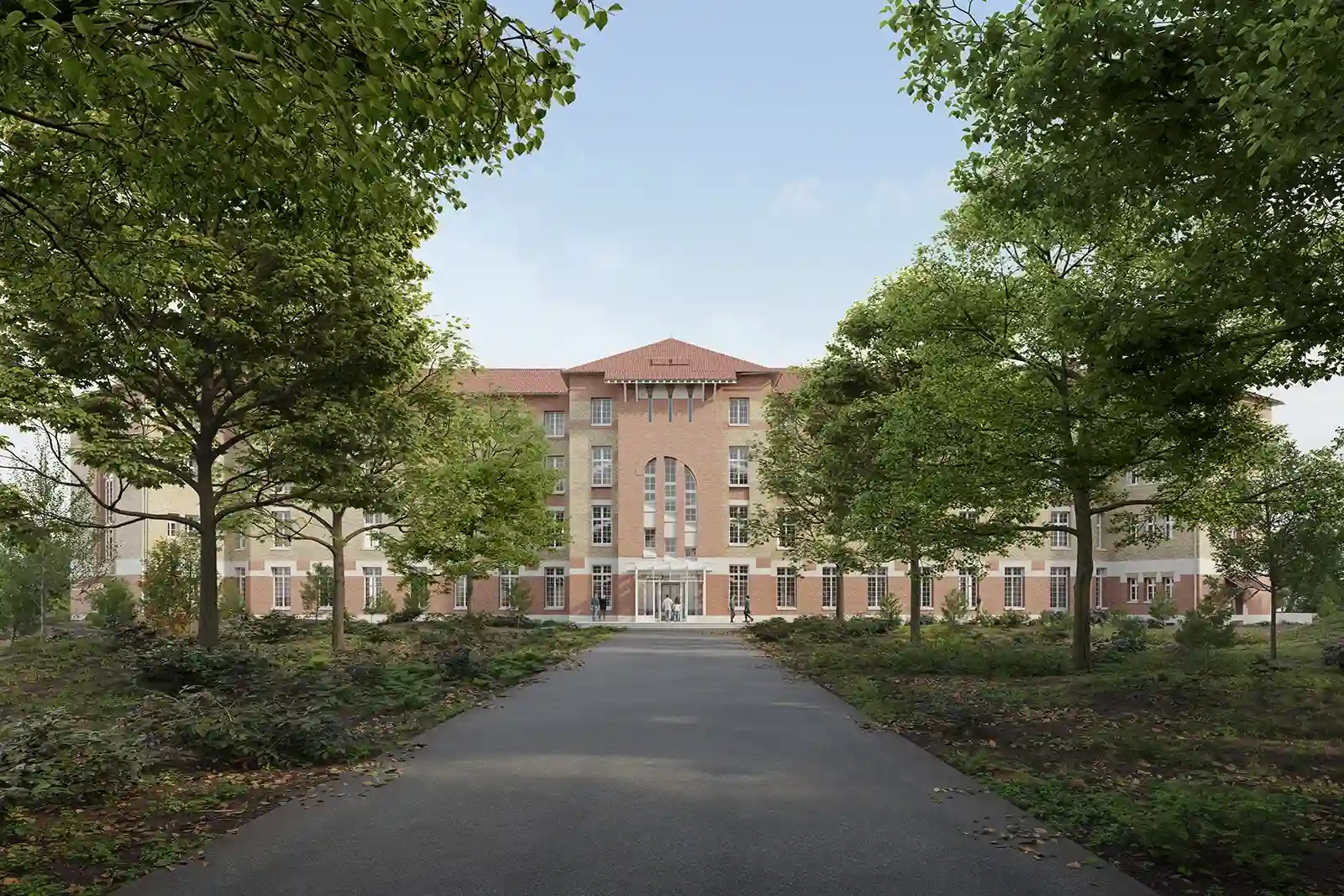
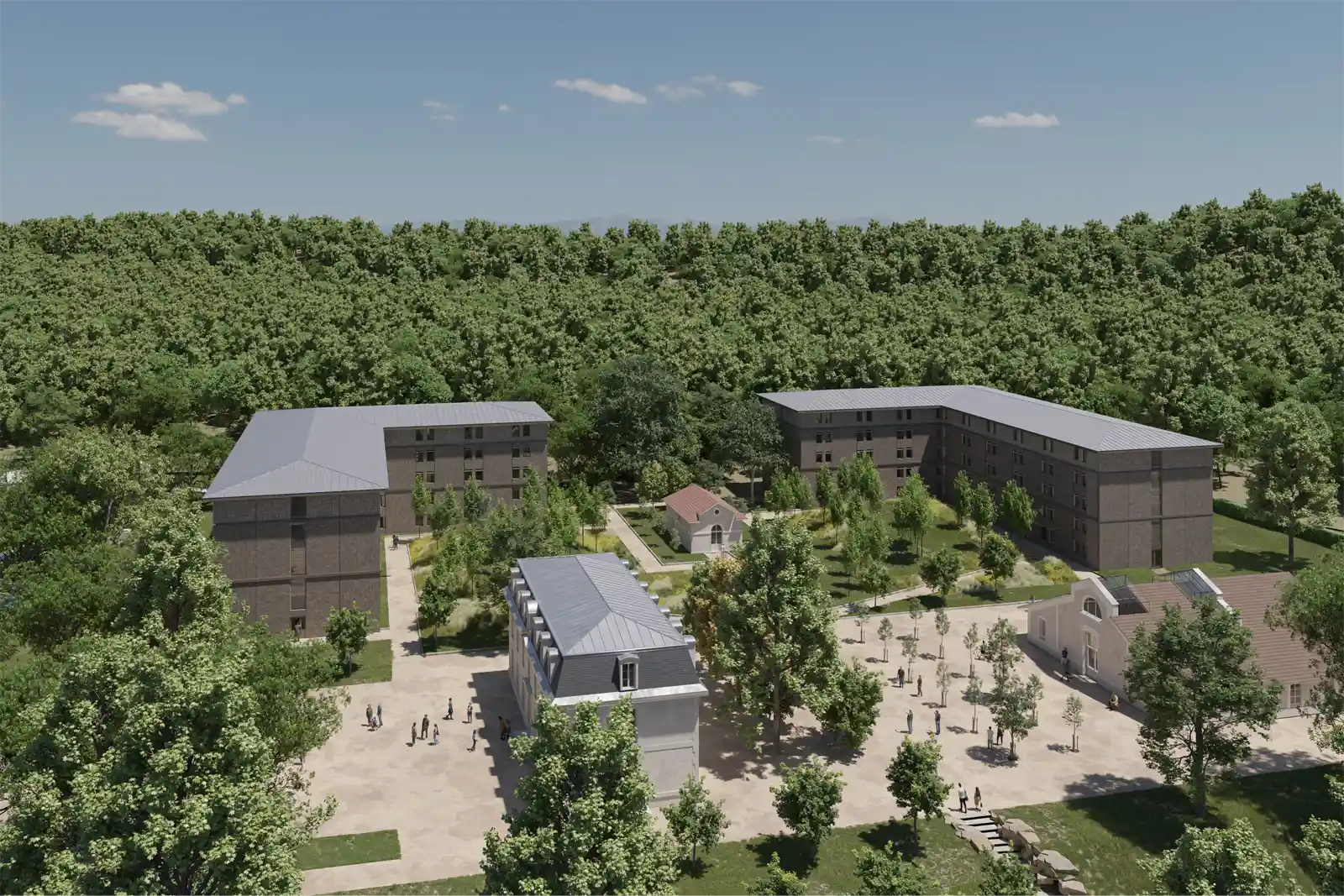
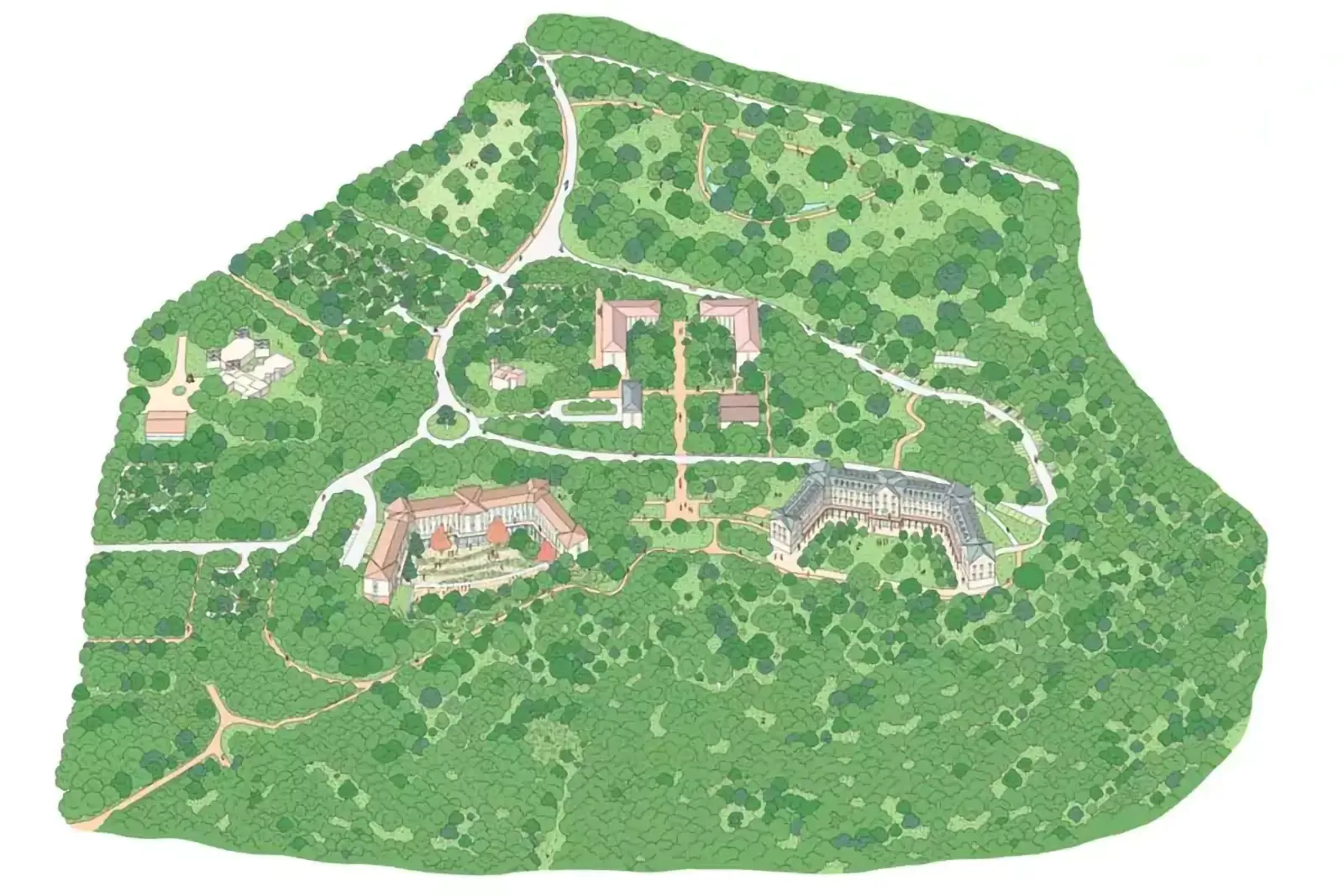
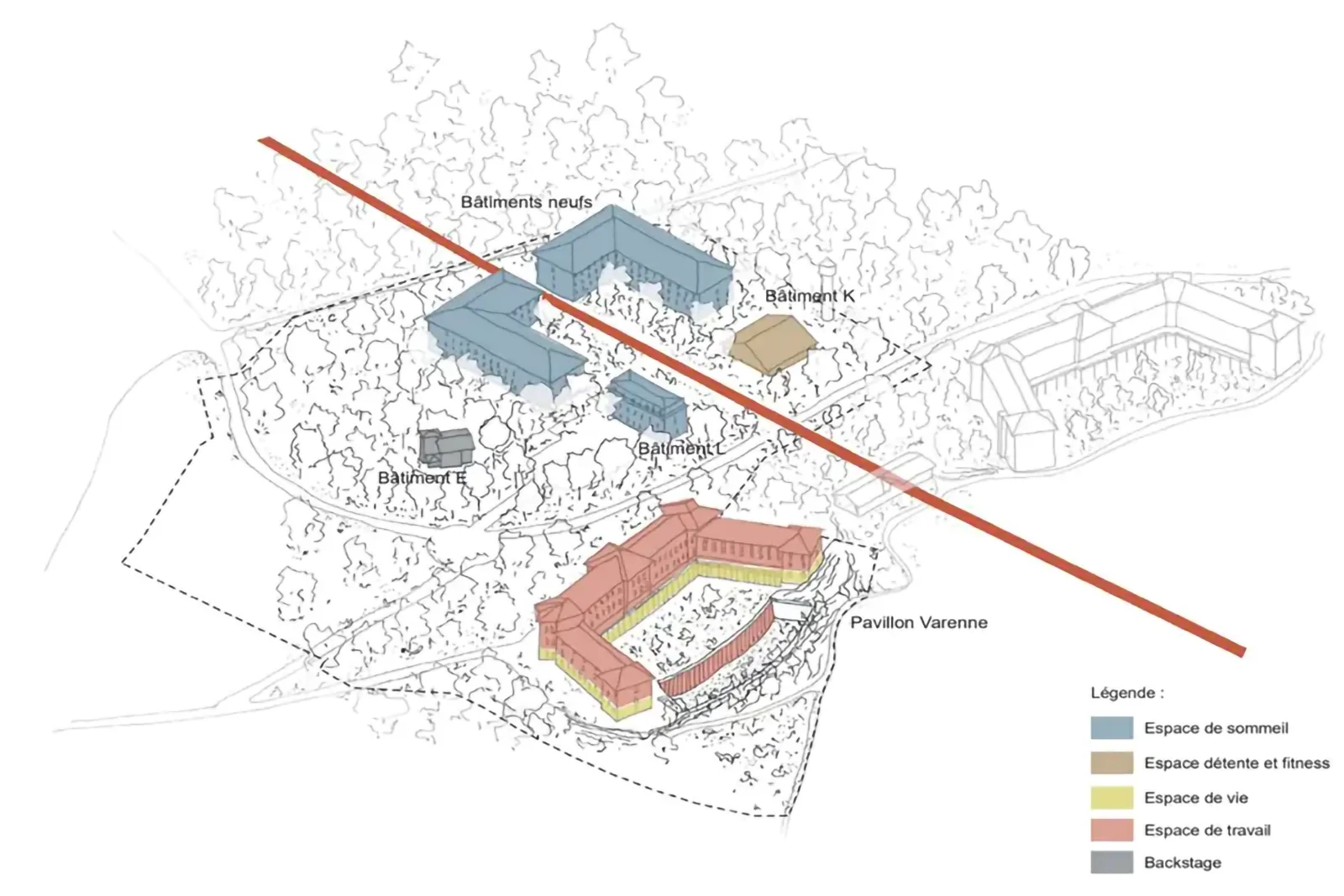
Set within a 36-hectare landscaped park, this historic building conversion orchestrates a thoughtful dialogue between heritage preservation and contemporary architectural intervention. The existing Letulle and Varenne (Villemin) pavilions, emblematic of early 20th‑century sanatorium architecture, are meticulously restored to revive their historic character and spatial generosity. These carefully rehabilitated structures will accommodate visiting families and a conference center, reactivating spaces once dedicated to care and convalescence as new venues for community, learning and exchange.
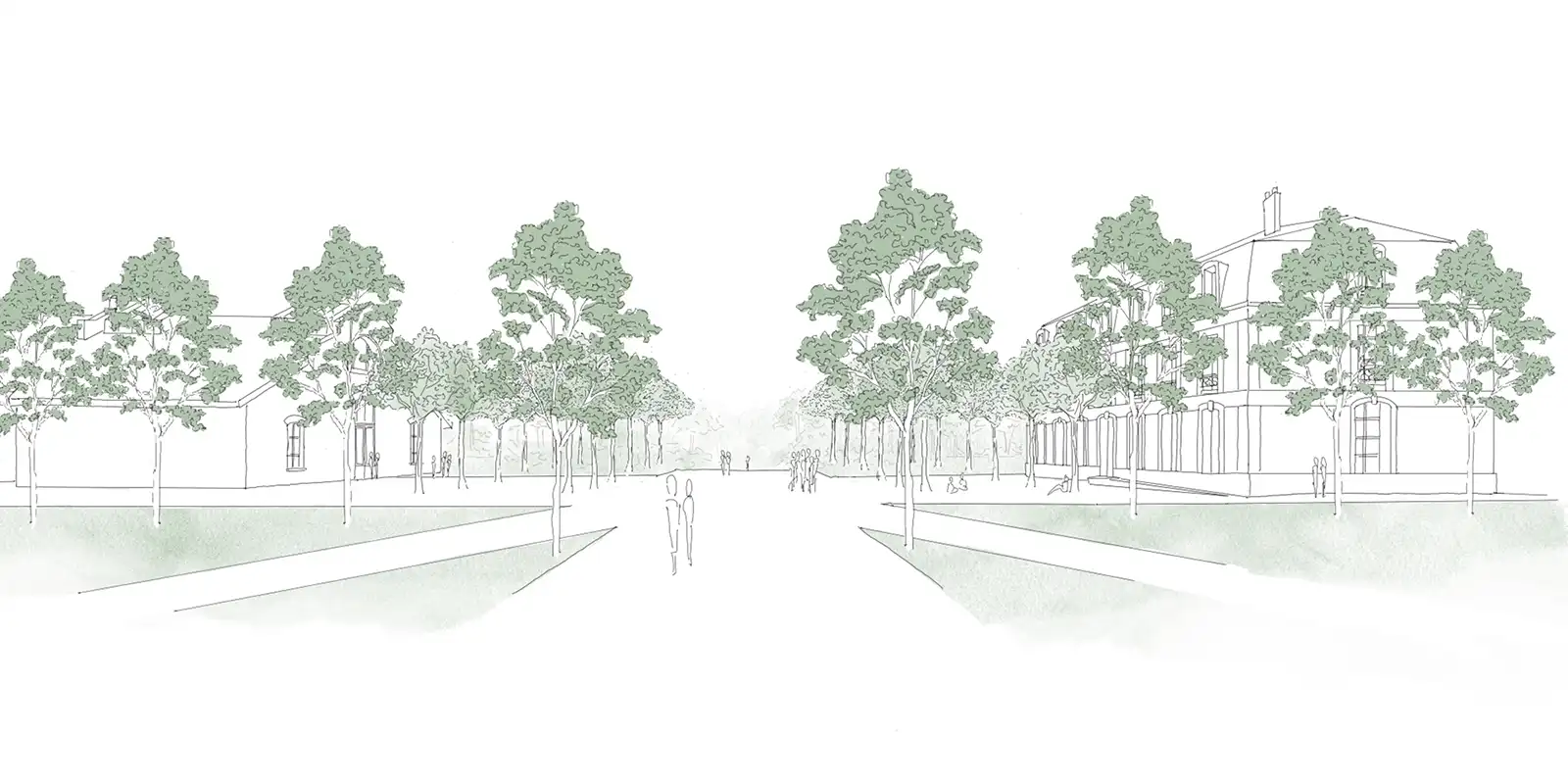
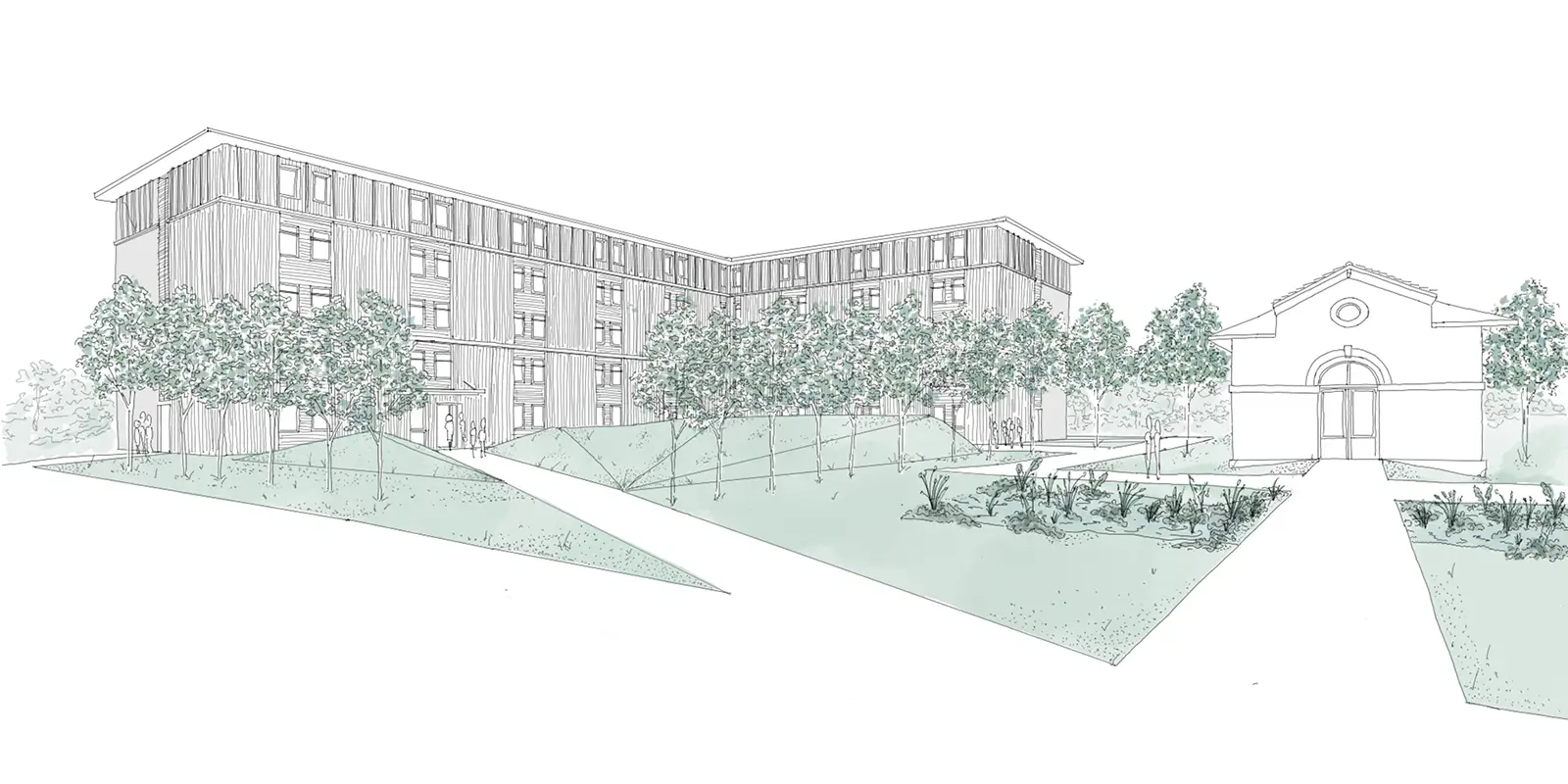
Complementing the historic ensemble, two new residential buildings are introduced with a sensitive approach that respects the site’s scale and environmental legacy. Their contemporary forms integrate sustainable building methods and biosourced materials, embedding a nursery and an equestrian facility that together foster intergenerational and therapeutic connections to the landscape. Through this combination the adaptive reuse architect contextualizes design, and environmental stewardship. The project transforms a former sanatorium into a cohesive, future‑oriented campus — one that continually strengthens the link between architecture, nature and social well‑being.
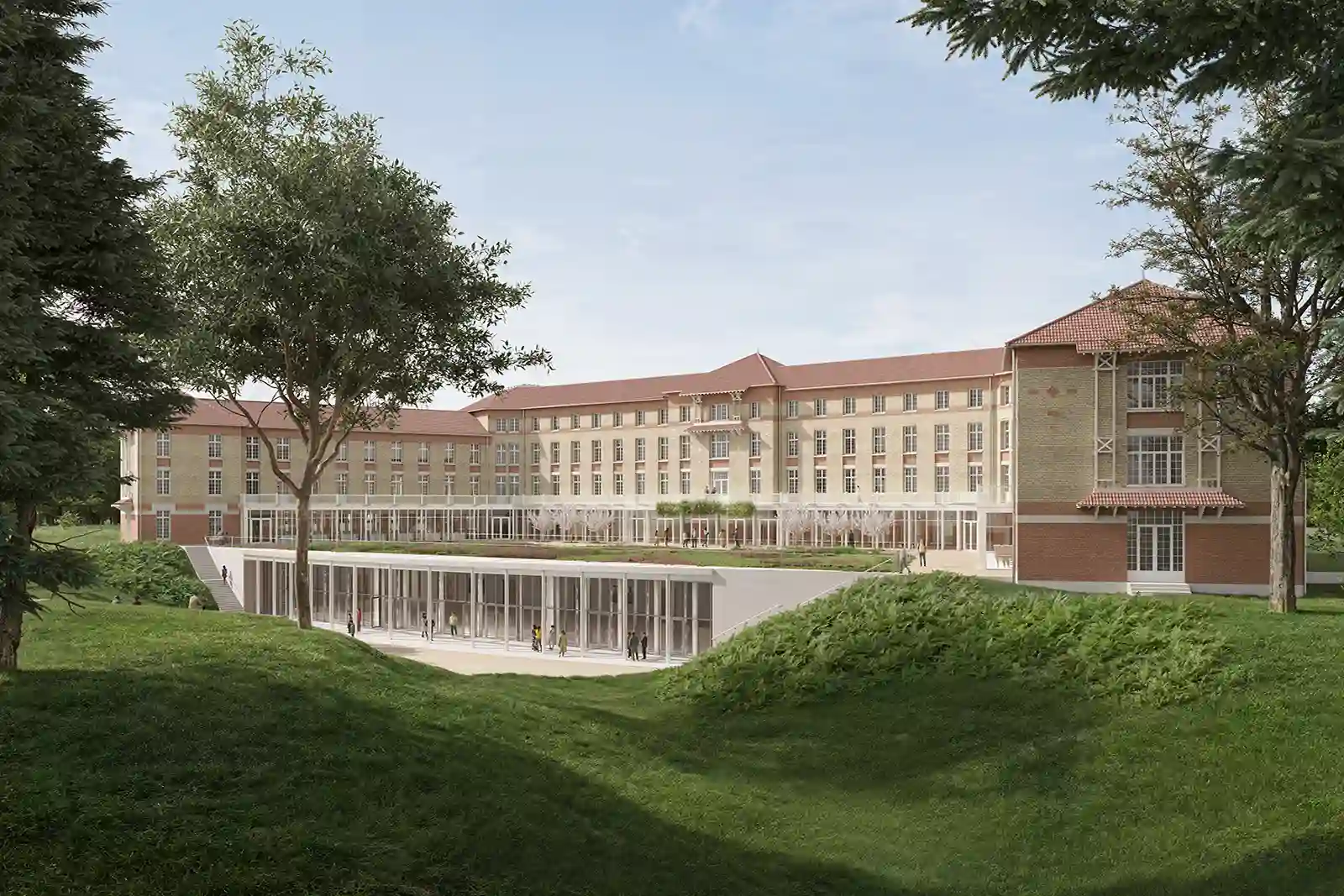
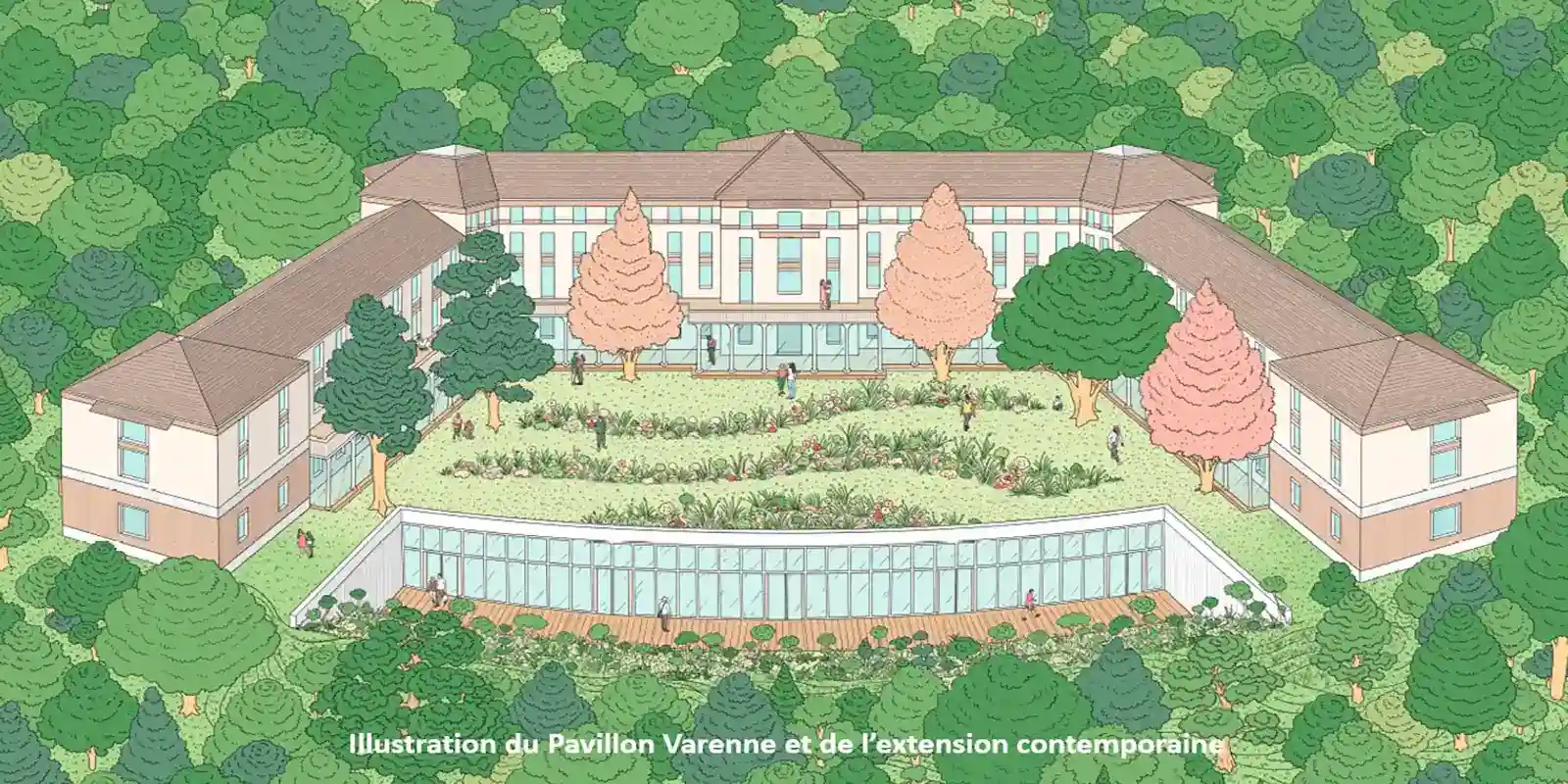
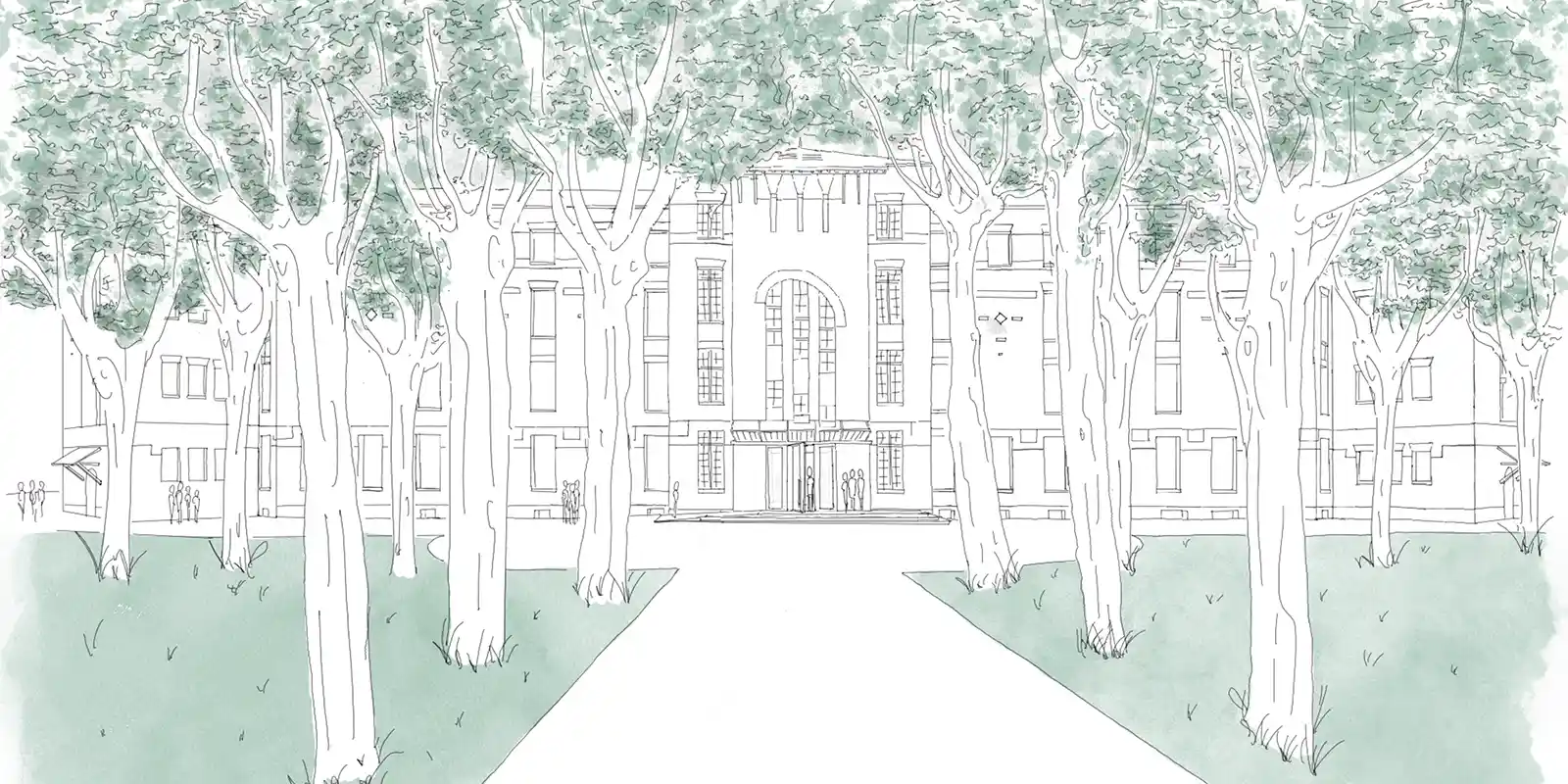
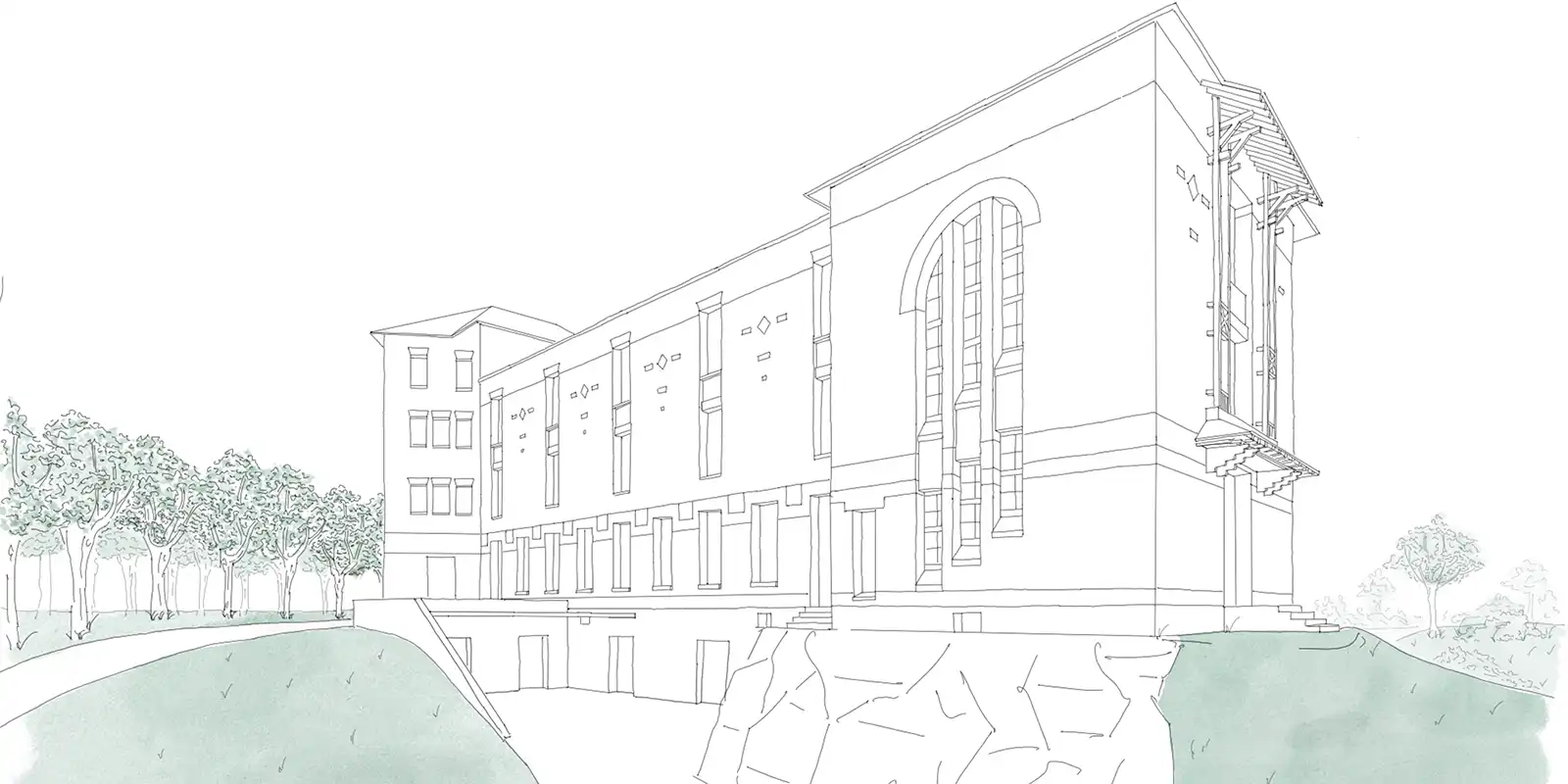
The rehabilitation and historic building conversion of the listed Varenne Pavilion — an iconic 1930s sanatorium for women — constitutes a central architectural challenge. Its U-shaped plan, echoing the former Letulle Pavilion, is expressed through a restrained language of brick and clay tile construction. Reoriented to the south, it now hosts public and daytime programs, including a conference center, meeting rooms and social spaces.
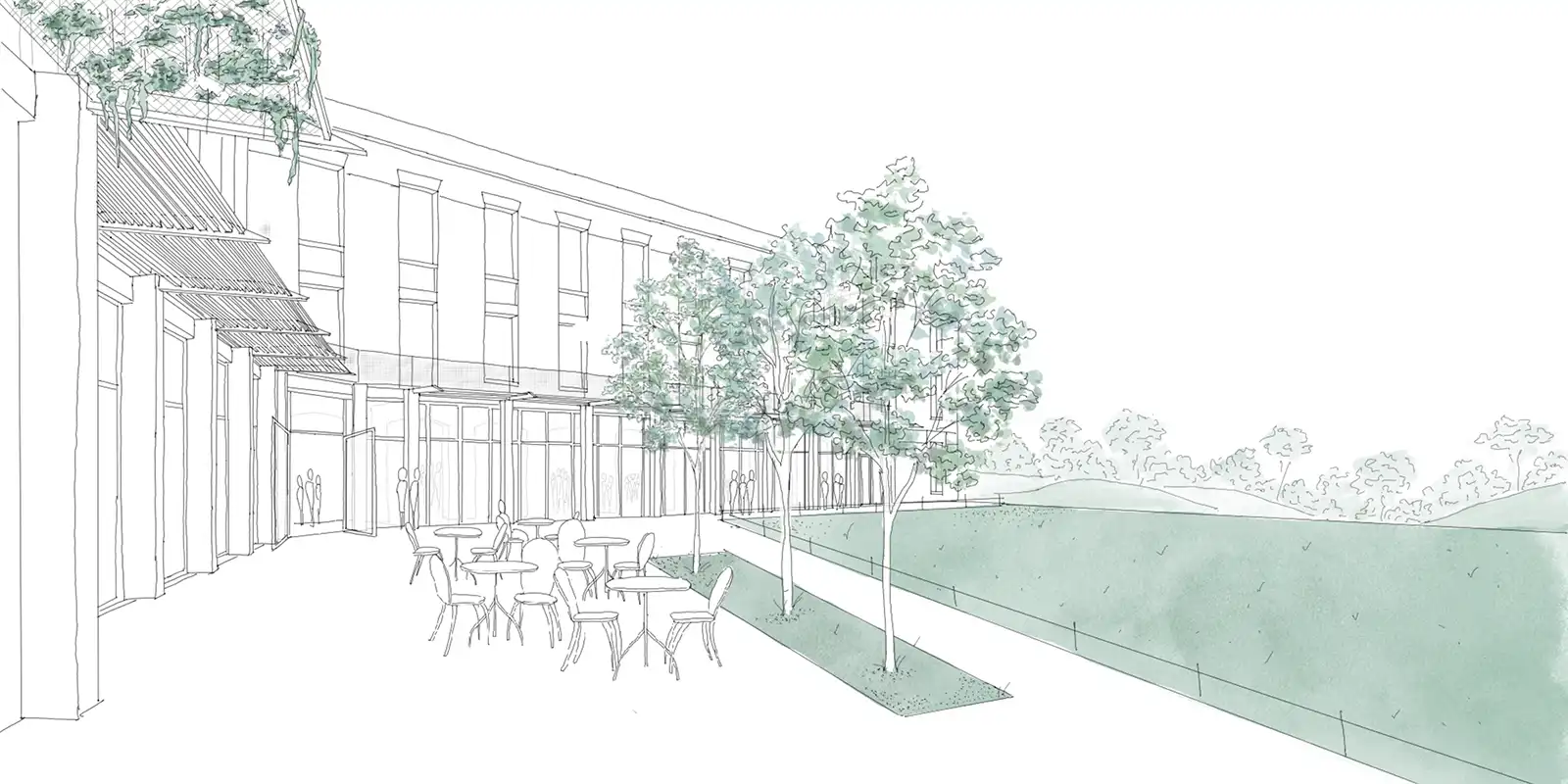
A key architectural gesture by the adaptive reuse architect is the integration of a 1,170 m² plenary hall, divisible into three 400 m² spaces. The historic building conversion places the auditorium partly below ground in front of the pavilion, which opens onto the garden level framing landscape views, while its interior preserves panoramic vistas, reinforcing the dialogue between architecture and nature.
Informations
client
Linkcity Île-de-France
program
Conversion of the Pavillon Varenne into a business conference center and construction of two additional buildings for accommodation (404 rooms), construction of a 12-cot micro-nursery, and redevelopment of the 36-hectare landscaped park.
localisation
3 Chemin de l'Ordibee, 60940 Angicourt
équipe
Architecture Patrick Mauger, architect
Thierry Huau, landscape architecture
Scoping, building services, infrastructure works (VRD), fire safety (SSI)
companies
Bouygues construction Île-de-France
surface
19 310 m²
cost
48 M€
avancement
in progress
delivery
2029
certification
BiodiverCity, BBCA, BREEAM niveau very good
image
Gamme Image